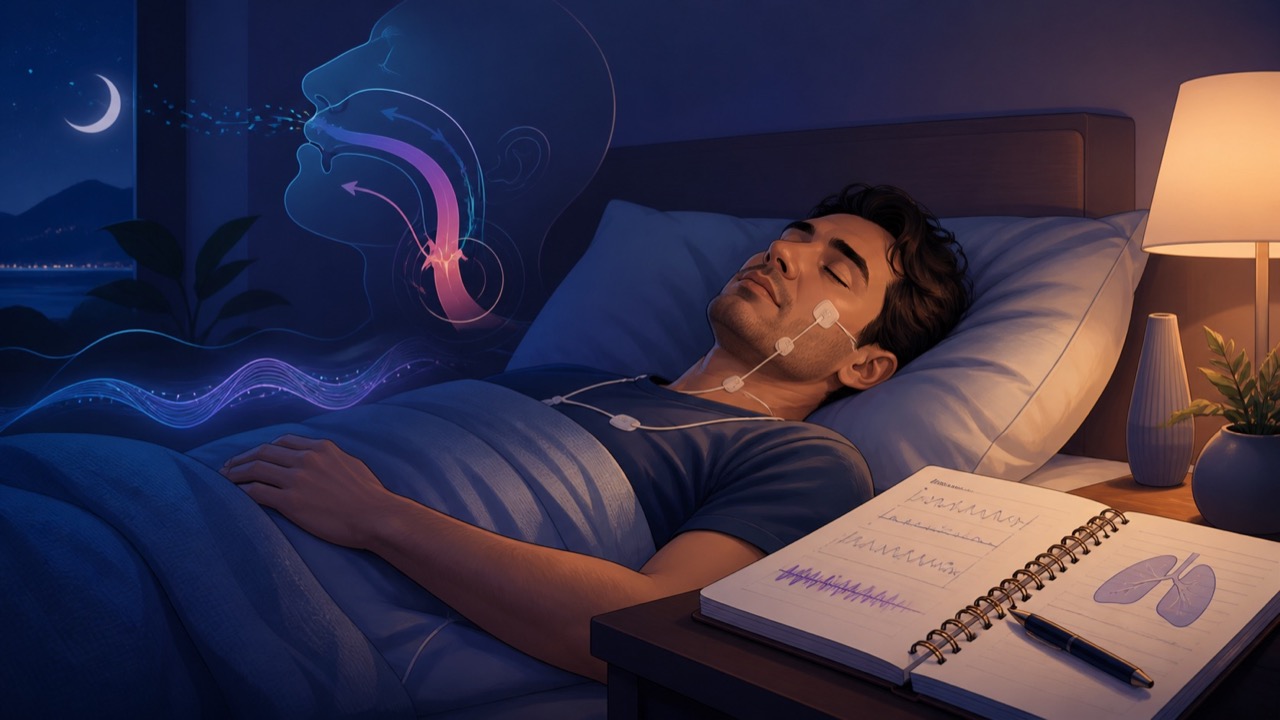
How to Fall Asleep Faster and Sleep Better
Practical Sleep Hygiene Tips for Better Rest
Tips to Improve Your Sleep Hygiene
If you're finding it hard to fall asleep or stay asleep, you are not alone. Many people have problems with sleep at some point.
Making small changes to habits and routines that help you sleep can make a real difference. This is sometimes called sleep hygiene.
This page brings together practical tips and advice you can try to help you sleep better over time.
How to Sleep Better
Check out our 6 tips below.

1. Keep a Regular Sleep Routine
- When you have a regular sleep routine, it can make it easier to fall asleep.
- This is because going to bed and getting up at similar times each day helps your body know when it's time to sleep.
- Try to keep your routine the same when you can, even on days when you're not working.
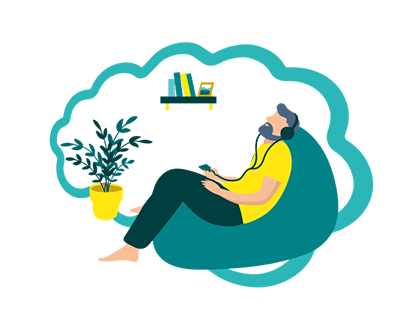
2. Relax Before Bed
- A calm bedtime routine can help you prepare for sleep.
- Try not to use phones, tablets, or computers for an hour before bed. The blue light from screens can make it harder to fall asleep.
Some things you could try to help you relax:
- Reading something you enjoy
- Meditation
- Breathing exercises
- Listening to calming music
- Listening to a podcast

3. Manage Worries and Stress
- Worry, stress, and anxiety can make it harder to sleep.
- Talking to someone you trust or writing down your worries can help you manage them.
- If you often worry in bed, try making a list of things you need to do the next day before you go to sleep. Writing things down can help clear your mind before bed.
- If you'd like more support, our self-help CBT techniques page has ideas to help you manage worries and face your fears, along with other practical guidance.
4. Make Your Bedroom Comfortable for Sleep
You may find it easier to sleep in a room that is quiet, dark, and cool. Try different things to find what works for you.
You could try:
- Earplugs if noise is a problem
- Putting your phone on silent to avoid interruptions
- Fully closing curtains to help keep your room dark
- Keeping clocks out of view and placing your phone face down to reduce light
- Wearing an eye mask if light is still a problem
- Adjusting the temperature or opening a window (if it is safe to do so) to make the room cooler
- Background sounds like rainfall, gentle music, or white noise
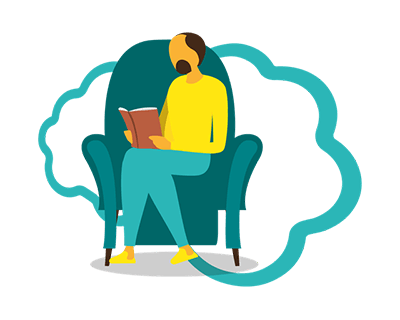
5. Try Not to Force Sleep
- If you're lying awake and unable to sleep, try not to force it. When you're comfortable and resting, you may find you fall asleep naturally.
- But if you're still awake after around 20 minutes, get up and sit somewhere comfortable. Try a relaxing activity like gentle yoga, reading a book, or listening to quiet music.
- Go back to bed when you feel sleepy.

6. Get Active to Help You Sleep Better
- Regular physical activity and exercise improves your body and mind. It can also help you sleep better too.
- Even small amounts of activity can make a difference, and you can build up gradually over time.
- Some people find that exercising close to bedtime affects their sleep. If this happens to you, try being active earlier in the day.