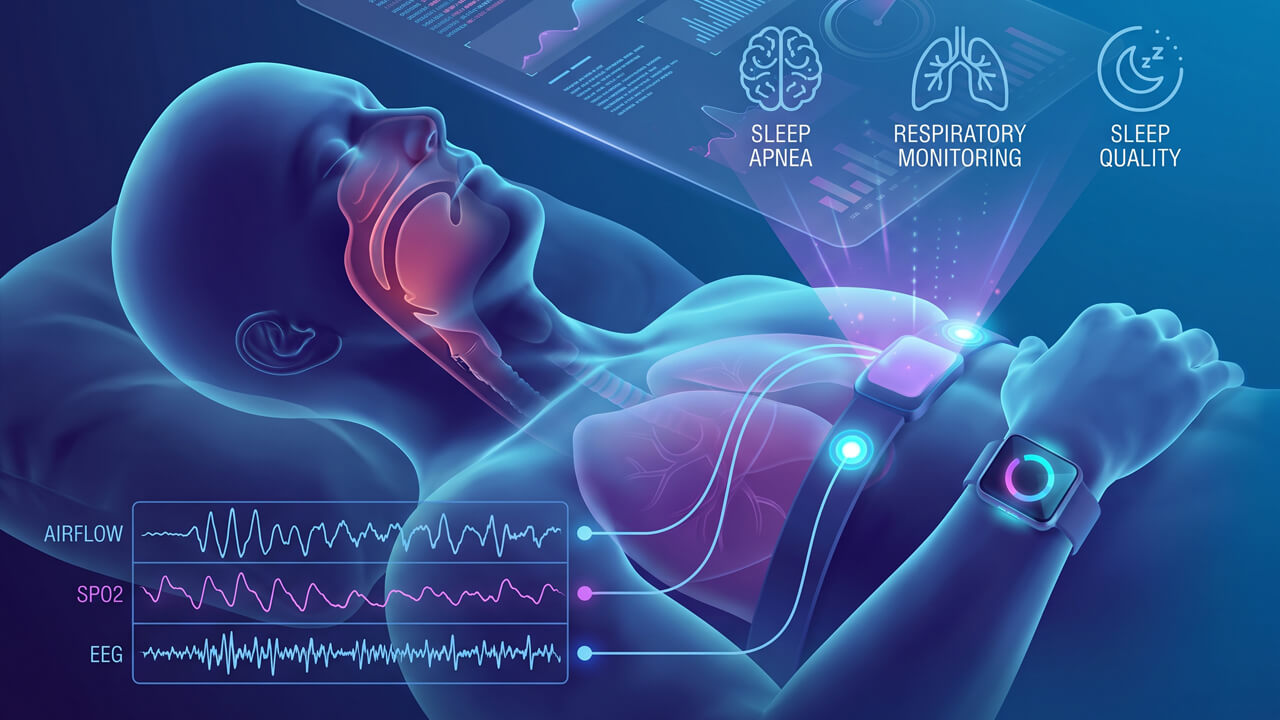
Understanding Sleep Apnea
Sleep apnea is a serious disorder that can be life-threatening if left untreated.
By Cleveland Clinic, Sleep Medicine Experts
What is Sleep Apnea?
Sleep apnea is a condition that makes you stop breathing while you’re sleeping. This happens either because of a blocked airway (obstructive sleep apnea) or because the brain doesn’t control breathing properly (central sleep apnea). A lack of oxygen activates a reflex that wakes you briefly to resume breathing, disrupting your sleep cycle and stressing your heart.
Types of Sleep Apnea
There are three main types of sleep apnea:
- Obstructive sleep apnea (OSA): Throat muscles relax and block airflow.
- Central sleep apnea (CSA): The brain fails to send signals to breathing muscles.
- Mixed/Complex sleep apnea: A combination of OSA and CSA.
How Common is Sleep Apnea?
An estimated 1 billion people worldwide (ages 30 to 69) have obstructive sleep apnea. Central sleep apnea is less common but still significant.
Symptoms and Risk Factors
Symptoms of Sleep Apnea
Typical symptoms include repeated nighttime awakenings, breathing pauses, unusual breathing patterns, loud snoring, waking up choking or short of breath, and daytime fatigue. Other signs include morning headaches, night sweats, mood changes, restless sleep, and sexual dysfunction. Symptoms in children may differ.
Causes and Risk Factors
Causes include upper airway blockages or problems with brain regulation of breathing. Risk factors include family history, heart disease, stroke, high blood pressure, obesity, large tonsils, and aging. Men are more likely to be diagnosed before age 50, but anyone—regardless of body size—can develop sleep apnea.
Complications and Severity
Complications
Untreated sleep apnea can cause excessive daytime sleepiness, arrhythmias, high blood pressure, heart damage, heart failure, stroke, and even sudden cardiac death.
Severity Levels
Severity is measured by the apnea/hypopnea index (AHI):
- Mild: 5–14 events/hour
- Moderate: 15–29 events/hour
- Severe: 30+ events/hour
Organs Affected
Sleep apnea impacts multiple systems, especially the circulatory system (heart) and nervous system (brain).
Diagnosis, Treatment, and Outlook
Diagnosis and Tests
Diagnosis involves medical history, symptom review, and sleep studies. The two main tests are polysomnography (in-lab sleep study with sensors) and home sleep apnea testing. Videos or recordings of nighttime breathing can also provide important evidence.
Treatment Options
Treatment depends on type and severity. Options include CPAP machines, oral appliances, sleeping position changes, NMES devices, medications, and surgery. Surgical options include jaw surgery, nasal surgery (e.g., septoplasty), and throat procedures to prevent airway blockage.
Outlook and Prognosis
There is no universal cure. Weight loss or surgery may cure some OSA cases. Left untreated, sleep apnea can reduce life expectancy due to severe complications. With treatment, patients can manage symptoms and significantly improve quality of life.
Prevention and Emergency
Prevention
Not all cases can be prevented, but risks can be reduced by maintaining healthy weight, eating well, exercising regularly, practicing good sleep hygiene, avoiding smoking and alcohol, and managing conditions like diabetes or high blood pressure.
Living With Sleep Apnea
Self-care includes making lifestyle changes, sticking to treatment plans, and staying in touch with healthcare providers. Regular follow-ups help ensure treatments remain effective.
When to Seek Emergency Help
Go to the ER if you experience symptoms of heart attack (chest pain, cold sweats, shortness of breath), stroke (sudden weakness, vision changes, dizziness), or difficulty breathing.
Disclaimer
The information provided in this app is not intended to be a substitute for professional medical advice, diagnosis, or treatment. Always seek the advice of your physician or other qualified health provider with any questions you may have regarding a medical condition.