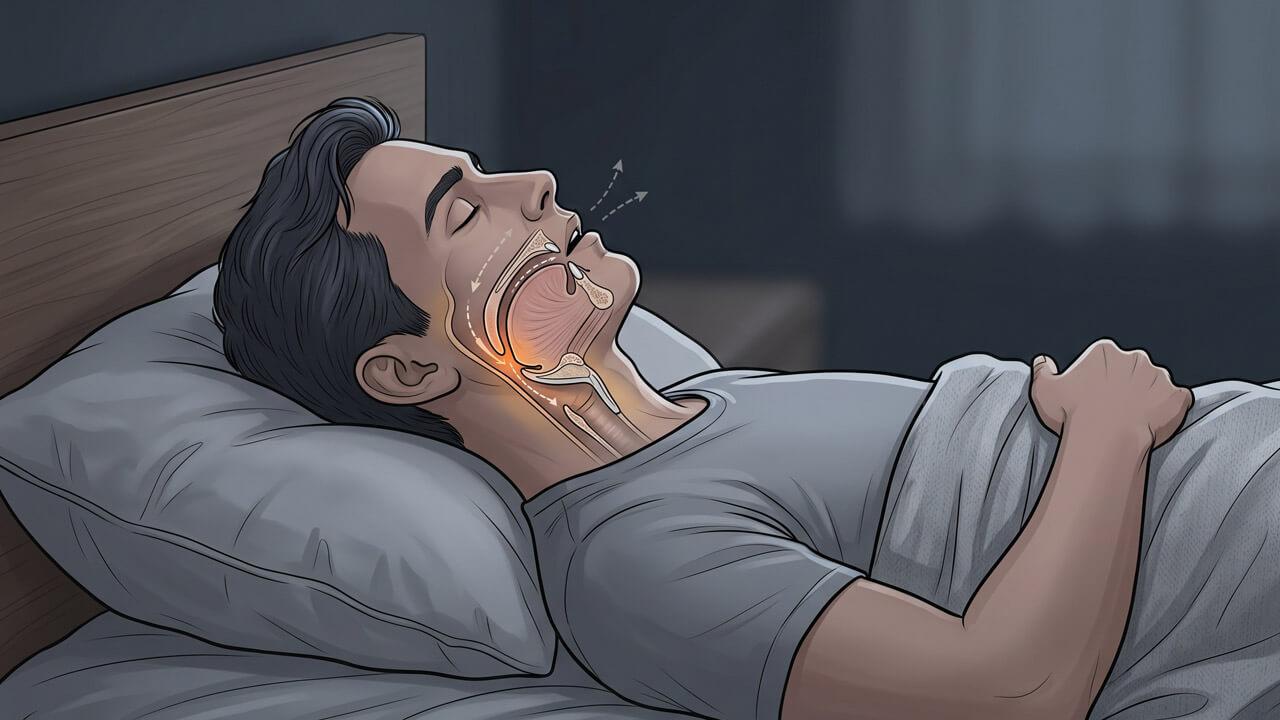
Sleep Apnea Risks
Ignoring sleep apnea can harm your health, increasing risks of stroke, heart attack, and dementia.
By Dr. Sarah Johnson, Sleep Medicine Specialist
The Importance of Sleep
Sleep is crucial for allowing the body and brain to rest and recover. Trouble sleeping can cause a range of health problems and, if left untreated, dire consequences. The ideal amount of sleep varies per individual, and both too little and too much can be detrimental, even serving as triggers for conditions like migraines.
Quality Over Quantity
Good sleep isn't just about duration; quality is paramount. Sleep interruptions fragment sleep and prevent the deep, restful stages. This can lead to excessive daytime drowsiness, chronic fatigue, headaches, mood issues, irritability, and poor memory and cognitive function.
The Myth of Nighttime Urination
Many believe they wake up due to a full bladder, but often it's a spontaneous arousal that causes the awakening. Reducing fluid intake typically does not reduce the number of these interruptions, indicating a deeper sleep issue.
Pets and Sleep Interruptions
Animals in the bedroom can be a significant source of sleep fragmentation. As illustrated by a patient, removing pets from the sleeping environment can lead to marked improvements in headaches, fatigue, and memory.
The Dangers of Snoring and Sleep Apnea
Sleep apnea, often signaled by loud snoring followed by gasps for air, involves repeated moments where breathing stops and the brain is deprived of oxygen. It severely interrupts sleep for both the sufferer and their partner. Untreated, it is not just a sleep disorder but a serious health risk, leading to an increased risk of stroke, heart attack, and dementia.
Disclaimer
The information provided in this app is not intended to be a substitute for professional medical advice, diagnosis, or treatment. Always seek the advice of your physician or other qualified health provider with any questions you may have regarding a medical condition.