Sleep Apnea Solutions
Weight management and clinician-guided treatment can help manage obstructive sleep apnea.
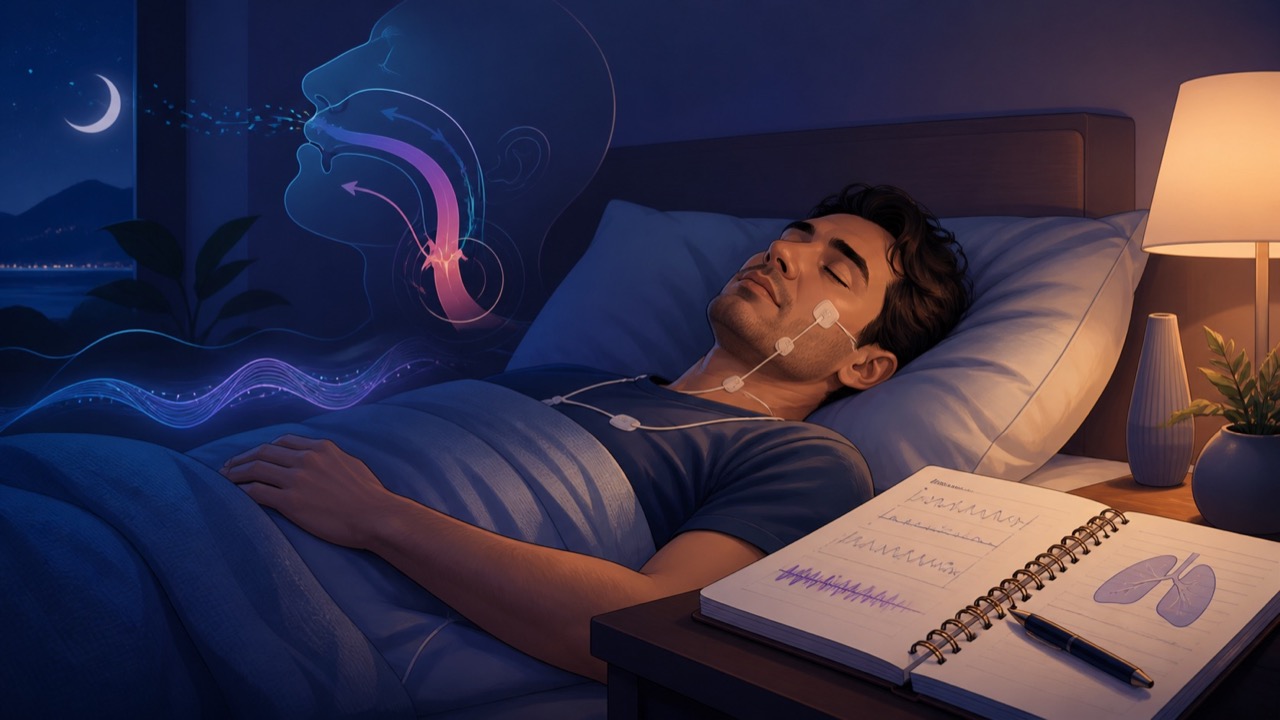
Nighttime snoring and persistent daytime fatigue can occur with obstructive sleep apnea (OSA), but they are not diagnostic on their own. In OSA, the upper airway repeatedly narrows or closes during sleep, disrupting breathing and sleep.
Lifestyle changes can sometimes improve OSA. These include losing weight if you are overweight; avoiding alcohol in the evening, because it tends to worsen underlying apnea; and sleeping on your side to help keep the airways open.
CPAP Therapy
Positive airway pressure (PAP), including CPAP, is a common and effective treatment for many people with OSA when prescribed and fitted by a healthcare professional. Mask discomfort is common, so ask your clinician about fit, pressure, humidification, or another mask rather than stopping treatment without guidance.
New CPAP users should not give up too soon. Finding a well-fitting mask is essential. "If you give up after trying the first mask you got, then you really didn't give it a fair chance," says Dr. Patel. "Tell your doctor the mask is causing you trouble, and ask if there is something else you can try."
Fortunately, mask providers usually offer a 30-day money-back trial for a wide variety of equipment. It's important to make CPAP work if you can, because alternatives are limited and not as effective.
Stop-Bang: A Screening Tool, Not a Diagnosis
Having three or more of these indicators may suggest a higher risk of sleep apnea. Stop-Bang is a screening questionnaire, not a diagnosis; discuss the result with a healthcare professional.
- S: Snore – Have you been told that you snore?
- T: Tired – Do you often feel tired during the day?
- O: Obstruction – Do you briefly stop breathing while asleep, or has anyone witnessed it?
- P: Pressure – Do you have high blood pressure or take medication for it?
- B: Body mass index – A BMI over 30 puts you at risk.
- A: Age – Are you 50 or older?
- N: Neck – Is your neck circumference more than 17 inches (men)?
- G: Gender – Were you assigned male at birth?
OSA Basics
Normally, when you fall asleep the tissues in the upper airway sag a bit, but you continue to breathe freely. In OSA, the airway periodically collapses entirely, closing off the back of the throat. This triggers apnea—the temporary cessation of breathing.
You may have no idea you have apnea until a sleeping partner notices choking or gasping. OSA may also be mistaken for nocturia in older men, because awakenings to breathe can create pressure on the bladder. Diagnosis is usually confirmed with a sleep study, either in a lab or increasingly at home with self-operated equipment.
Quality of Life and Health Risks
Treating OSA greatly improves quality of life. Frequent awakenings and oxygen deprivation lead to fatigue, memory impairment, and higher risk of accidents. The snoring and gasping can also disturb your bed partner.
Untreated, OSA stresses the cardiovascular system. Blood pressure rises at night and may remain elevated the next day. People with untreated OSA face higher risks of heart problems and stroke, although research is still ongoing to determine if consistent CPAP use lowers those risks.
Home Sleep Testing
Confirming OSA traditionally required an overnight trip to a sleep lab, but it is increasingly common to use home testing equipment. Home studies are best for typical OSA cases caused by sagging airways, not for neurological or lung-related sleep issues. Home studies are also cheaper, and many insurance plans prefer them.
Troubles with CPAP
CPAP masks come in full-face, nasal, and other new styles. The best mask is simply the one you can wear comfortably most of the night. Most people adjust over time, but some cannot. Alternatives include:
- Oral appliance: A dentist-made device that shifts the jaw forward. Useful for mild-to-moderate OSA when CPAP is not tolerated.
- Surgery: Various procedures exist, but smaller ones are ineffective and larger ones require long recovery.
- Supplemental oxygen: Sometimes recommended, but evidence of benefit is weak.
OSA and Obesity
Being overweight is the greatest single risk factor for OSA. Weight loss can significantly reduce apnea episodes and improve cardiovascular health, especially in mild cases. Still, even people at a normal weight can suffer from OSA, and not all weight loss eliminates it. Combining weight management with CPAP offers the best outcomes.
Disclaimer
The information provided in this app is not intended to be a substitute for professional medical advice, diagnosis, or treatment. Always seek the advice of your physician or other qualified health provider with any questions you may have regarding a medical condition.